Septic tank pumping in Dayton, TX
Quality, routine septic tank pumping to ensure your system runs properly, done by a crew that’ll show you what came out and tell you what it means.
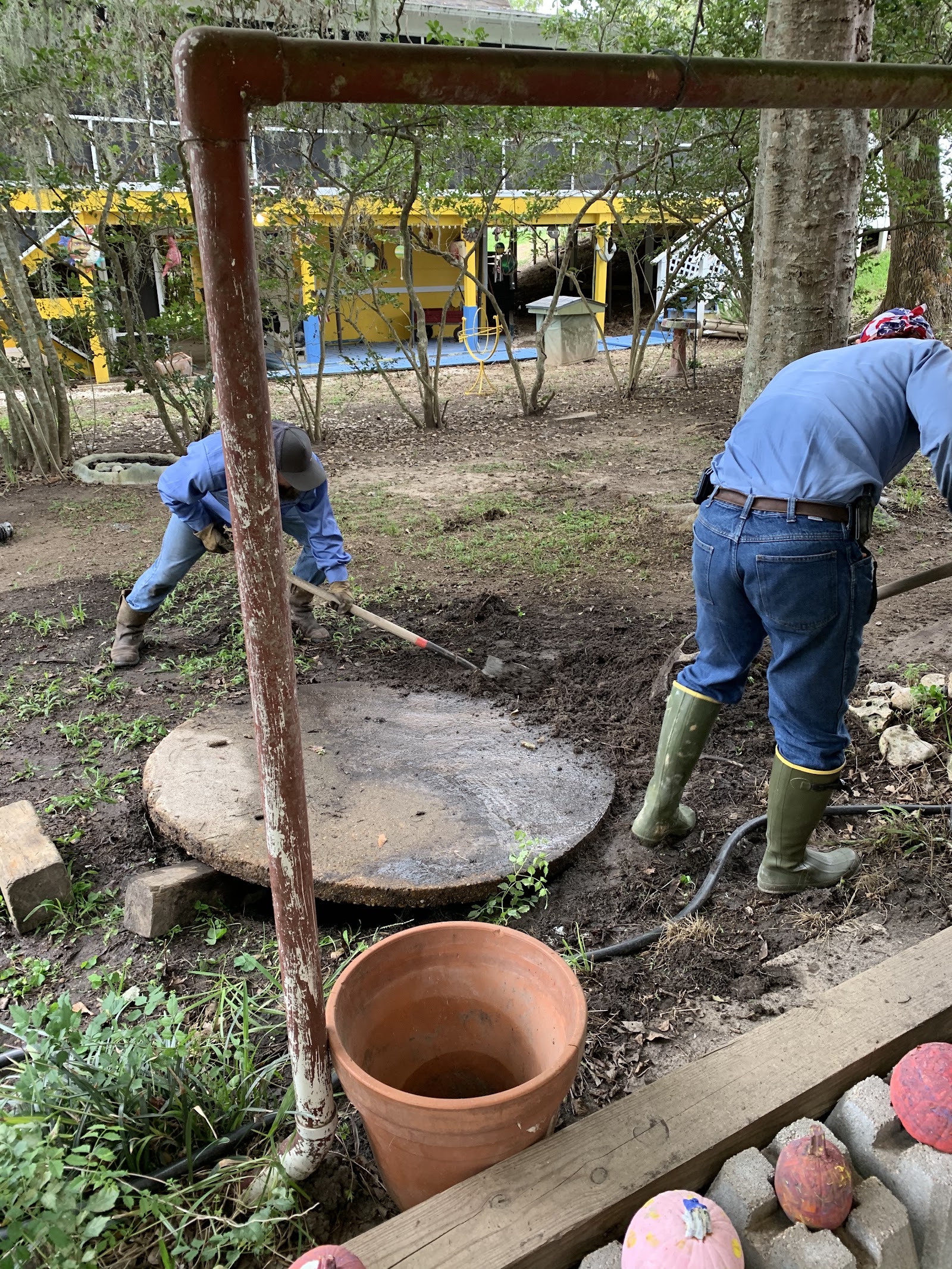
What pumping actually does
Every septic tank collects two things that don’t break down all the way: sludge that sinks to the bottom and scum that floats on top. Pumping pulls both out so they don’t creep into the parts of the system that can’t handle solids.
Aerobic systems treat waste well, but pumping is still necessary. Solids pile up in the pretreatment (trash) tank, the clarifier and the pump tank, and they have to be physically removed.
Why it matters
- Prevents blockages and backups into the house
- Protects pumps, floats and spray lines from solids
- Keeps the bacteria balance right so treatment keeps working
- Helps the whole system last longer
How often does a tank need pumping?
There’s no one number for every house. It depends on:
- Tank size
- Household size
- Water use
- System type
On an aerobic system, the best guide is the inspection itself: checking sludge levels shows when it’s time, before solids reach the pump. Our guide on how often an aerobic system should be pumped goes deeper.
Signs it’s time
- Slow drains all over the house
- More than one sink, tub or toilet dragging usually points at the tank, not the pipe.
- Odors
- Inside or out, a sewage smell means something isn’t being treated or contained.
- Alarms or high-water alerts
- On an aerobic system, solids can trip floats and pumps.
- Standing water
- Wet spots over the tank or the dispersal area.
- Gurgling toilets
- Bubbling usually means air trapped in the plumbing.
What to expect on pump-out day
An aerobic pump-out takes a little more care than a single-tank job. Here’s how it goes.
01
Find every lid
Aerobic systems usually have three tanks, and plenty of homeowners don’t know about the third, often buried one. We find and open them all.
02
Pull the pump first
Taking the pump out before pumping keeps it from getting damaged. It’s a step every careful septic crew should take.
03
Pump the chambers
Sludge and scum come out of the tanks and into the truck, and we tell you what we’re seeing as we go.
04
Refill and close up
The aerobic chamber gets refilled about halfway so the tank doesn’t float, the pump goes back in, and the lids go back on.
Pumping questions
Will pumping fix my septic alarm?
Sometimes. Alarms also come from pump failure, a stuck float switch, electrical problems or plain too much water. We figure out which before we sell you a pump-out. See servicing & repairs.
I just bought a house with a septic system. Where do I start?
Have it inspected, have the tank pumped, find out what type of system you have, and look for any warning signs. If you have questions, call us.
What shouldn’t go down the drain between pump-outs?
Wipes (even “flushable” ones), grease and cooking oil, feminine products, diapers, paper towels, and chemicals, paint or harsh cleaners. They clog the tank and damage the system.
How big is a typical home septic tank?
Usually 1,000 to 1,500 gallons, depending on the home and how it’s used, and buried about 1 to 3 feet down.
More about inspections, permits and chlorine: read the FAQ on our Services page.
Let’s Talk Soon
You’re only one call away from talking to someone who knows septic systems. Rather write it down? Send us a message and we’ll reach out to you.